Introduction
Artificial Intelligence Trends are changing the way people live, work, and do business across the world. From smart assistants to automated customer support, artificial intelligence is becoming a normal part of daily life. In recent years, the speed of innovation has increased rapidly, making it important for beginners and professionals to understand what is happening and why it matters. Businesses now use intelligent systems to improve efficiency, reduce costs, and deliver better customer experiences. At the same time, individuals benefit from smarter devices, personalized services, and faster decision-making tools.
Artificial Intelligence Trends are not limited to big tech companies anymore. Small businesses, students, healthcare providers, and educators are also adopting these technologies to stay competitive. As data grows and computing power becomes more affordable, the use of intelligent systems is expanding into almost every industry. Understanding these trends helps people prepare for future jobs, make better business decisions, and stay updated with technological progress.
This article explains Artificial Intelligence Trends in simple language for beginners and intermediate readers. You will learn what artificial intelligence is, why it is important, how it works step by step, and what benefits and risks come with it. The article also covers common mistakes, expert tips, and frequently asked questions to give you a complete and practical understanding of this fast-growing field.
What is Artificial Intelligence?
Artificial Intelligence is a branch of computer science that focuses on creating machines and software that can think, learn, and make decisions like humans. It allows systems to analyze data, recognize patterns, and perform tasks without constant human instructions. Artificial Intelligence Trends show how these systems are becoming smarter and more useful over time.
AI works by using algorithms, data, and computing power. Machines learn from examples and improve their performance through experience. For example, voice assistants understand speech, recommendation systems suggest products, and image recognition tools identify objects in photos.
There are different types of artificial intelligence. Narrow AI is designed for specific tasks such as facial recognition or language translation. General AI, which is still under development, aims to think and learn like a human. Another important area is machine learning, where systems improve automatically by analyzing data.
Artificial Intelligence Trends also include deep learning, natural language processing, and computer vision. These technologies help machines understand language, images, and human behavior more accurately. As a result, AI is being used in healthcare, education, finance, marketing, and many other fields.
Understanding what artificial intelligence is helps people see its potential and limitations. It is not magic, but a powerful tool created by humans to solve complex problems and improve efficiency.
Why is Artificial Intelligence Important?
Artificial Intelligence is important because it helps people do more work in less time and with better accuracy. One of the biggest reasons for its growth is its ability to process large amounts of data quickly. Businesses use this ability to make smarter decisions and improve customer satisfaction.
Artificial Intelligence Trends show that automation is reducing repetitive tasks. This allows employees to focus on creative and strategic work. In healthcare, AI helps doctors diagnose diseases early and plan better treatments. In education, it supports personalized learning and student assessment.
Another reason AI is important is cost efficiency. Automated systems reduce human error and operational costs. Companies can serve more customers without increasing staff, which improves productivity. AI also improves safety in industries like manufacturing and transportation by detecting risks early.
Artificial Intelligence Trends also highlight its role in innovation. From self-driving cars to smart homes, AI is creating solutions that were once impossible. It supports research, improves communication, and helps solve global problems like climate change and resource management.
As technology continues to evolve, understanding AI becomes essential. Those who adapt early gain a competitive advantage in careers and business. That is why learning about Artificial Intelligence Trends is important for long-term success.
Detailed Step-by-Step Guide
Step 1: Understanding Data Collection
Data is the foundation of artificial intelligence. Systems collect information from various sources such as websites, sensors, user inputs, and databases. High-quality data helps AI systems learn accurately and produce reliable results.
Step 2: Data Processing and Cleaning
After collection, data must be cleaned and organized. This step removes errors, duplicates, and irrelevant information. Clean data improves the performance of AI models and reduces mistakes.
Step 3: Choosing the Right Algorithm
Different tasks require different algorithms. For example, image recognition uses computer vision models, while language tasks use natural language processing. Selecting the right algorithm is essential for achieving accurate outcomes.
Step 4: Training the Model
Training involves feeding data into the system so it can learn patterns. The model adjusts its calculations based on feedback and gradually improves its predictions. This stage may take time depending on data size and complexity.
Step 5: Testing and Evaluation
Once trained, the model is tested using new data. This step checks accuracy, reliability, and performance. Any errors found are corrected to improve results.
Step 6: Deployment
After successful testing, the AI system is deployed for real-world use. It may be integrated into apps, websites, or business operations.
Step 7: Continuous Improvement
Artificial Intelligence Trends emphasize continuous learning. Systems are updated regularly with new data to stay accurate and relevant. This step ensures long-term performance and adaptability.
Benefits of Artificial Intelligence
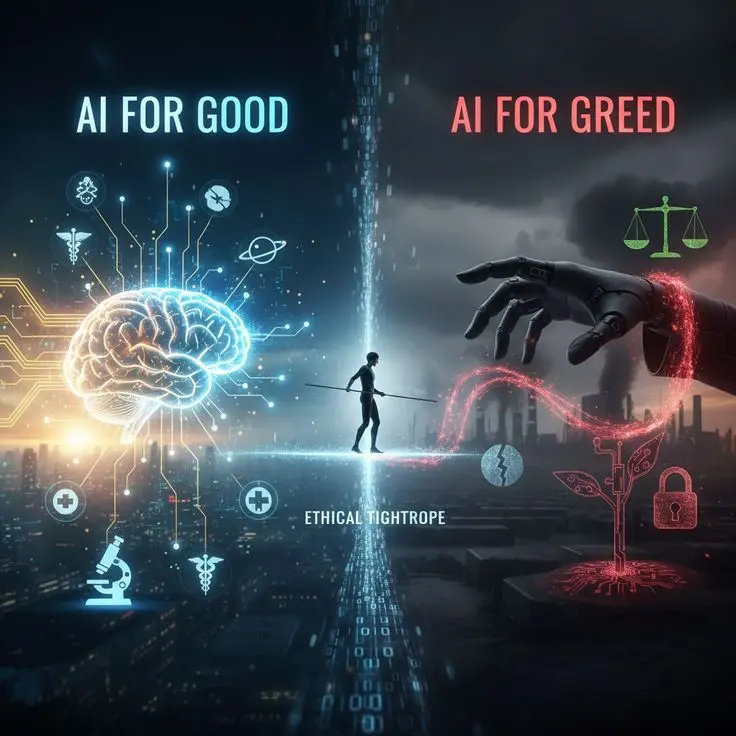
- Improves efficiency by automating repetitive tasks
- Enhances decision-making through data analysis
- Reduces human error in critical processes
- Saves time and operational costs
- Supports personalized user experiences
- Improves customer service through chat systems
- Helps in medical diagnosis and research
- Enables innovation in multiple industries
Artificial Intelligence Trends show that these benefits continue to grow as technology improves and adoption increases worldwide.
Disadvantages and Risks
- High initial implementation cost
- Dependence on quality data
- Risk of job displacement in some sectors
- Ethical concerns related to privacy
- Lack of human judgment in complex situations
- Security risks if systems are misused
- Bias in algorithms due to poor data
Understanding these risks helps organizations use artificial intelligence responsibly and effectively.
Common Mistakes to Avoid
One common mistake is expecting instant results. Artificial intelligence requires time, data, and testing to perform well. Another mistake is using poor-quality data, which leads to inaccurate outcomes.
Many people also ignore ethical considerations such as data privacy and transparency. Overreliance on automation without human supervision can cause serious issues. Some organizations invest in AI without clear goals, leading to wasted resources.
Avoiding these mistakes helps ensure successful adoption of Artificial Intelligence Trends and long-term benefits.
FAQs
What are Artificial Intelligence Trends?
Artificial Intelligence Trends refer to the latest developments and patterns in how AI is created and used across industries. These include automation, machine learning, and smart analytics.
How does artificial intelligence affect daily life?
AI improves daily life through smart devices, personalized recommendations, navigation systems, and customer support tools.
Is artificial intelligence difficult to learn?
Basic concepts are easy to understand, especially with simple explanations and practice. Advanced development requires technical skills.
Can small businesses use AI?
Yes, many affordable tools allow small businesses to use AI for marketing, customer service, and data analysis.
What industries benefit most from AI?
Healthcare, education, finance, retail, and manufacturing benefit greatly from artificial intelligence applications.
Is artificial intelligence safe to use?
When used responsibly with proper security and ethical guidelines, AI is generally safe and highly beneficial.
Expert Tips and Bonus Points
Start with small AI projects before moving to complex systems. Focus on learning how data works, as it is the backbone of artificial intelligence. Stay updated with Artificial Intelligence Trends through reliable learning resources and practical use cases.
Always test AI systems thoroughly before full deployment. Combine human judgment with automation for best results. Invest in training and awareness to help teams adapt to new technologies smoothly. Keeping ethics and transparency in mind will build trust and long-term success.
Conclusion
Artificial Intelligence Trends are shaping the future of technology and human interaction. From automation to intelligent decision-making, AI is transforming industries and daily life in powerful ways. Understanding how artificial intelligence works helps individuals and businesses make informed choices and stay competitive in a rapidly changing world.
As AI continues to evolve, its impact will only grow stronger. By learning the basics, avoiding common mistakes, and applying expert tips, anyone can benefit from this technology. The key is to use artificial intelligence responsibly, focus on continuous learning, and adapt to new developments with confidence. Embracing Artificial Intelligence Trends today will prepare you for a smarter, more efficient, and innovative tomorrow.