


Introduction
Home automation tips are becoming more important as people look for smarter, safer, and more comfortable ways to live. Today, technology allows homeowners to control lights, security systems, temperature, and even kitchen appliances with just a smartphone or voice command. This shift toward smart homes is not only about convenience but also about saving energy, improving safety, and simplifying daily routines. Whether you live in a small apartment or a large house, smart home solutions can fit your lifestyle and budget.
Many beginners feel confused when starting with home automation. They often worry about high costs, technical skills, or complicated setups. The truth is that modern smart devices are user-friendly and designed for everyday users. With the right guidance and planning, anyone can build a reliable smart home system step by step. You do not need to automate everything at once. Starting small and expanding gradually is the best approach.
In this detailed guide, you will learn practical home automation tips that are easy to follow and suitable for beginners as well as intermediate users. You will understand what home automation is, why it matters, how to set it up correctly, and how to avoid common mistakes. By the end of this article, you will have the confidence to make smart decisions and create a home that works for you, not against you.
What is Home Automation?
Home automation refers to the use of technology to control household devices automatically or remotely. These devices are usually connected through the internet and can be managed using a smartphone app, tablet, or voice assistant. Home automation systems allow you to control lighting, heating, security, entertainment, and more from one central place.
The main goal of home automation is to make daily life easier and more efficient. For example, you can schedule your lights to turn off automatically when you leave home or set your air conditioner to adjust the temperature before you arrive. Smart locks can secure your doors, and cameras can monitor your home in real time.
Home automation works through smart devices that communicate with each other using Wi-Fi, Bluetooth, or dedicated hubs. Popular examples include smart bulbs, smart plugs, smart thermostats, video doorbells, and motion sensors. These devices can work individually or as part of a complete smart home ecosystem.
With the right home automation tips, you can design a system that suits your needs without spending too much money or time.
Why is Home Automation Important?
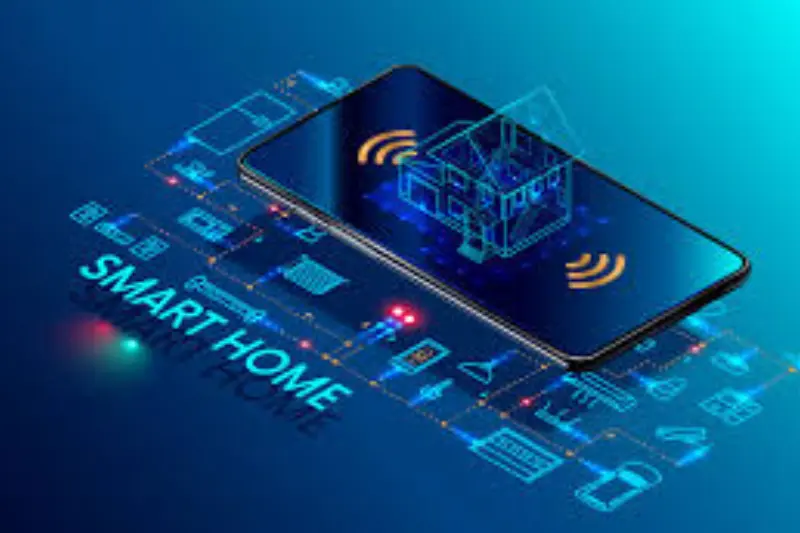
Home automation is important because it improves the quality of life while offering practical benefits. One of the biggest advantages is convenience. Instead of manually controlling devices, you can automate tasks and manage everything with a single tap or voice command.
Another key reason is energy efficiency. Smart thermostats, lighting systems, and appliances help reduce unnecessary power usage. This not only lowers electricity bills but also supports an eco-friendly lifestyle. Over time, the savings can be significant.
Security is another major benefit. Smart cameras, motion detectors, and door locks provide real-time alerts and monitoring. Even when you are away from home, you can keep an eye on your property and feel more secure.
Home automation also adds value to your property. A well-designed smart home is attractive to buyers and renters. It shows modern living standards and improves overall comfort.
Most importantly, home automation saves time. Daily routines become smoother, giving you more time to focus on work, family, and relaxation.
Detailed Step-by-Step Guide
Step 1: Identify Your Needs
Start by understanding what you want to automate. Some people focus on security, while others prefer comfort or energy savings. Make a list of your priorities such as lighting, temperature control, or home security.
Step 2: Set a Budget
Home automation can be affordable if planned wisely. Decide how much you want to spend and choose devices accordingly. Start small and upgrade later instead of buying everything at once.
Step 3: Choose a Smart Home Platform
Select a platform that supports multiple devices. Popular options include systems that work with voice assistants and mobile apps. Make sure the platform is compatible with the devices you plan to buy.
Step 4: Start with Basic Devices
Begin with simple devices such as smart bulbs, plugs, or a smart speaker. These are easy to install and give you a feel of how automation works.
Step 5: Install and Connect Devices
Follow the manufacturer’s instructions carefully. Most devices only require a Wi-Fi connection and a mobile app. Ensure your internet connection is stable for smooth performance.
Step 6: Create Automation Rules
Set schedules and automation rules. For example, lights can turn off automatically at bedtime, or the thermostat can adjust based on room temperature.
Step 7: Test and Optimize
After setup, test all devices to ensure they work properly. Adjust settings to match your daily routine and improve efficiency.
Step 8: Expand Gradually
Once comfortable, add more devices such as smart locks, cameras, or sensors. Expanding slowly helps you avoid technical issues and unnecessary expenses.
Benefits of Home Automation
- Improves daily convenience and comfort
- Saves energy and reduces electricity bills
- Enhances home security and safety
- Allows remote access and monitoring
- Increases property value
- Reduces manual effort and stress
- Customizes living experience
- Supports modern lifestyle needs
Disadvantages / Risks
- Initial setup cost can be high
- Requires stable internet connection
- Privacy concerns if not secured properly
- Compatibility issues between devices
- Technical issues may require troubleshooting
- Dependence on technology
Common Mistakes to Avoid
One common mistake is buying devices without checking compatibility. Not all smart devices work together, so research is important. Another mistake is skipping security settings. Always use strong passwords and enable two-factor authentication.
Many users also try to automate everything at once. This often leads to confusion and frustration. Start small and expand gradually. Ignoring software updates is another issue. Updates improve security and performance, so never delay them.
Finally, avoid choosing cheap products with poor reviews. Quality matters in home automation, and reliable devices perform better in the long run.
FAQs
What is the best way to start home automation?
The best way is to begin with basic devices like smart lights or plugs. These are affordable, easy to install, and help you understand how automation works.
Is home automation expensive?
Home automation can be affordable if you start small. You can build your system gradually based on your budget and needs.
Do I need technical knowledge?
No advanced technical knowledge is required. Most devices are designed for easy setup using mobile apps and simple instructions.
Can home automation save electricity?
Yes, smart devices help reduce energy consumption by automating lights, heating, and appliances efficiently.
Is home automation safe?
Home automation is safe if you use secure networks, strong passwords, and trusted devices. Regular updates also improve security.
Can I control my home when I am away?
Yes, most smart home systems allow remote access through mobile apps, letting you monitor and control your home from anywhere.
Expert Tips & Bonus Points
Always choose devices from trusted brands to ensure quality and long-term support. Use a strong Wi-Fi network to avoid connectivity issues. Group similar devices for easier control and better automation.
Label your devices clearly in the app to avoid confusion. Regularly review automation rules to ensure they still match your routine. Backup your settings whenever possible to avoid data loss.
Consider future expansion when buying devices. Choosing compatible systems saves money later. Finally, keep learning about new technologies to improve your smart home experience.
Conclusion
Home automation tips can transform the way you live by making your home smarter, safer, and more efficient. With the right approach, even beginners can enjoy the benefits of smart living without feeling overwhelmed. The key is to start small, plan carefully, and expand gradually as you gain confidence.
By understanding your needs, choosing the right devices, and following best practices, you can build a reliable home automation system that improves comfort and saves time. From energy savings to enhanced security, the advantages are clear and long-lasting. Home automation is not just a trend but a practical solution for modern living.
As technology continues to evolve, smart homes will become even more accessible and powerful. By following these home automation tips, you are taking a smart step toward a more connected and convenient future.
Do you like this personality?


