


Introduction
Innovations in AI & IoT are changing the way people live, work, and interact with technology. In simple words, Artificial Intelligence helps machines think and learn, while the Internet of Things connects devices to share data. When these two technologies work together, they create smarter systems that can make decisions, save time, and improve daily life. Today, Innovations in AI & IoT are no longer limited to big companies or research labs. They are part of homes, schools, hospitals, factories, and even small businesses.
In recent years, this powerful combination has grown very fast. Smart homes can now adjust lighting and temperature automatically. Healthcare devices can monitor patients in real time. Businesses use intelligent systems to predict demand and reduce waste. Because of Innovations in AI & IoT, machines are becoming more responsive and useful than ever before. They can analyze data, learn from patterns, and act without constant human input.
For beginners, this topic may sound complex, but the core idea is simple. Connected devices collect data, and AI uses that data to make smart decisions. For intermediate readers, understanding these innovations can open doors to new skills, careers, and business opportunities. This article explains the concept in clear language, step by step. By the end, you will understand what Innovations in AI & IoT are, why they matter, how they work, their benefits, risks, and future potential in a practical and realistic way.
What is Innovations in AI & IoT?
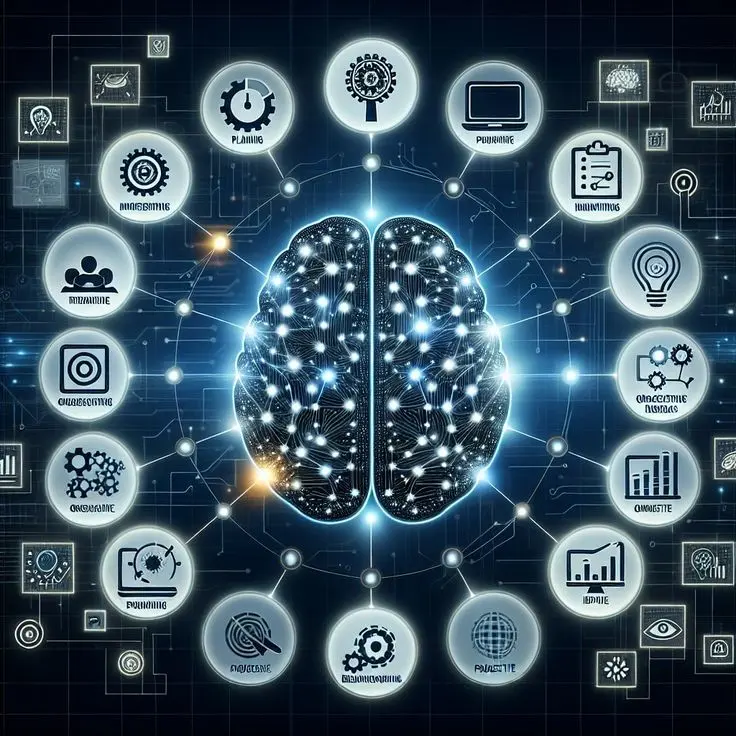
Innovations in AI & IoT refer to new and improved ways in which Artificial Intelligence and Internet of Things technologies are combined to create smarter solutions. AI focuses on learning, reasoning, and decision-making. IoT focuses on connecting physical devices such as sensors, cameras, machines, and appliances to the internet.
When IoT devices collect data, AI systems analyze that data to find patterns and insights. This process helps systems act intelligently without human instructions every time. For example, a smart traffic system can analyze road data and adjust signals automatically.
Innovations in AI & IoT include smarter sensors, faster data processing, edge computing, predictive analytics, and automation. These innovations make systems more efficient, accurate, and reliable. They reduce human effort while improving performance.
In simple terms, IoT gathers information, and AI turns that information into smart actions. Together, they build intelligent ecosystems that continuously learn and improve over time.
Why is Innovations in AI & IoT Important?
Innovations in AI & IoT are important because they solve real-world problems in efficient ways. They help save time, reduce costs, and improve decision-making across many industries.
First, these innovations improve productivity. Machines can work continuously without fatigue. Second, they enhance accuracy by reducing human errors. Third, they support better planning by predicting future trends based on data.
Innovations in AI & IoT also improve safety. Smart sensors can detect risks early and alert users instantly. In healthcare, they help monitor patients and prevent emergencies. In industries, they prevent equipment failure.
Another key reason is scalability. Once implemented, these systems can grow and adapt easily. They also support sustainability by reducing energy waste and optimizing resources. Overall, Innovations in AI & IoT are shaping a smarter, faster, and more connected world.
Detailed Step-by-Step Guide
Step 1: Data Collection Through IoT Devices
The first step in Innovations in AI & IoT is data collection. IoT devices such as sensors, cameras, and smart meters gather real-time data. This data can include temperature, movement, speed, usage, or health metrics.
These devices are placed in homes, factories, vehicles, or public spaces. They work continuously and send data to connected systems. Accurate data collection is the foundation of intelligent decision-making.
Step 2: Data Transmission and Connectivity
After collection, data is transmitted through the internet or local networks. Secure and fast connectivity is important here. Technologies like Wi-Fi, 5G, and Bluetooth support this process.
Innovations in AI & IoT focus on reducing delays and improving reliability during transmission. Faster data flow allows systems to respond instantly, which is critical for real-time applications.
Step 3: Data Processing and Storage
Once data reaches the system, it is processed and stored. Some processing happens in the cloud, while some occurs at the edge, closer to the device. Edge computing reduces delay and improves speed.
Innovations in AI & IoT use smart data management techniques. Only useful data is stored, which saves space and improves performance.
Step 4: AI Analysis and Learning
This is where Artificial Intelligence plays its role. AI algorithms analyze data to identify patterns and trends. Machine learning models learn from past data to improve future decisions.
For example, AI can predict equipment failure by analyzing sensor data. Over time, the system becomes more accurate and reliable.
Step 5: Decision Making and Automation
Based on analysis, the system makes decisions automatically. These decisions can trigger actions such as alerts, adjustments, or commands to devices.
Innovations in AI & IoT allow systems to act without human intervention. This automation improves efficiency and reduces workload.
Step 6: Continuous Improvement and Feedback
The final step is continuous learning. Feedback from outcomes helps the system improve. AI models update themselves using new data.
This cycle ensures that Innovations in AI & IoT systems become smarter over time and adapt to changing conditions.
Benefits of Innovations in AI & IoT
- Improved efficiency and productivity
- Real-time monitoring and control
- Better decision-making using data
- Reduced operational costs
- Enhanced safety and security
- Predictive maintenance and reduced downtime
- Personalized user experiences
- Energy savings and sustainability
- Scalability for future growth
Disadvantages / Risks
- High initial implementation cost
- Data privacy and security concerns
- Dependence on internet connectivity
- Technical complexity and maintenance needs
- Risk of system failures or errors
- Limited skills and trained professionals
- Ethical concerns related to data usage
Common Mistakes to Avoid
One common mistake is ignoring data security. Innovations in AI & IoT rely heavily on data, so weak security can lead to serious risks. Always use proper encryption and access controls.
Another mistake is poor planning. Many projects fail due to unclear goals. Define objectives clearly before implementation.
Overloading systems with unnecessary data is also a problem. Collect only useful data to avoid confusion and inefficiency.
Some organizations also underestimate training needs. Staff must understand how to use and manage these systems effectively.
Finally, avoiding scalability planning can limit growth. Always design systems that can expand as needs increase.
FAQs
What are Innovations in AI & IoT in simple words?
Innovations in AI & IoT mean new ways of using smart machines and connected devices together. Devices collect data, and AI helps them think and act smartly.
How do AI and IoT work together?
IoT devices collect data, and AI analyzes that data. AI then makes decisions or predictions based on patterns found in the data.
Are Innovations in AI & IoT expensive to implement?
Initial costs can be high, but long-term savings often outweigh the investment. Costs depend on system size and complexity.
Which industries use Innovations in AI & IoT the most?
Healthcare, manufacturing, agriculture, smart cities, retail, and transportation are major users of these innovations.
Is data privacy a big concern in AI & IoT?
Yes, data privacy is important. Proper security measures and policies are needed to protect user information.
Can small businesses use Innovations in AI & IoT?
Yes, many affordable solutions are available today. Small businesses can start with simple systems and scale gradually.
Expert Tips & Bonus Points
Start small and test your system before full deployment. This reduces risks and helps identify issues early.
Focus on data quality rather than quantity. Clean and accurate data improves AI performance significantly.
Always update software and firmware to maintain security and efficiency. Regular updates protect systems from threats.
Choose scalable platforms that support future growth. This ensures long-term value from Innovations in AI & IoT.
Encourage collaboration between technical and business teams. This alignment improves outcomes and usability.
Conclusion
Innovations in AI & IoT are shaping the future of technology in powerful and practical ways. By combining intelligent decision-making with connected devices, these innovations create systems that are faster, smarter, and more efficient. From smart homes to advanced industries, their impact is visible everywhere. They help organizations save time, reduce costs, and improve safety while delivering better experiences to users.
For beginners, understanding the basics of Innovations in AI & IoT opens the door to modern technology trends. For intermediate learners, it provides insight into how intelligent systems are designed and improved. While there are challenges such as security and cost, the benefits often outweigh the risks when systems are planned carefully. With continuous improvements and responsible use, Innovations in AI & IoT will continue to drive progress and create opportunities in the digital world. Embracing these technologies today means being prepared for a smarter and more connected tomorrow.


