


Introduction
The future of robotics is no longer a distant dream—it is rapidly becoming a reality. From smart factories to medical breakthroughs, robotics technology is shaping the way we live, work, and interact with the world. Businesses, governments, and researchers are investing heavily in robotics, aiming to improve efficiency, reduce human error, and tackle challenges that were once considered impossible.
Future of Robotics is driving a technological revolution, influencing multiple industries, including healthcare, agriculture, manufacturing, and even education. The integration of robotics with artificial intelligence, machine learning, and the Internet of Things (IoT) is creating systems capable of performing complex tasks autonomously, adapting to changes, and learning from experiences.
As robotics evolves, it promises to enhance productivity, create new job opportunities, and solve pressing global issues. However, this growth also comes with challenges, such as ethical dilemmas, job displacement, and security concerns. Understanding the potential and risks of robotics is crucial for businesses, students, and tech enthusiasts alike.
In this article, we will explore what robotics is, why it is important, the benefits and risks of robotics, common mistakes to avoid, and expert tips on leveraging this technology. By the end, you will have a comprehensive understanding of the future of robotics and how it will shape our society.
What is Robotics?
Robotics is the science and technology of designing, building, and operating robots. A robot is a programmable machine capable of performing tasks autonomously or under human guidance. Robots can be mechanical, electrical, or a combination of both, equipped with sensors, actuators, and control systems to interact with their environment.
There are different types of robots, including:
- Industrial Robots: Used in factories for assembly lines, welding, and packaging.
- Service Robots: Assist humans in hospitals, homes, and customer service.
- Humanoid Robots: Designed to mimic human appearance and behavior.
- Autonomous Vehicles: Self-driving cars and drones that navigate without human input.
- Collaborative Robots (Cobots): Work alongside humans safely in shared spaces.
Why is Robotics Important?
Robotics is becoming increasingly important in today’s world for several reasons:
- Efficiency and Productivity: Robots can work 24/7 without fatigue, increasing output and reducing operational costs.
- Precision and Accuracy: In industries like healthcare and manufacturing, robotics ensures precise and error-free results.
- Safety: Robots can perform dangerous tasks in hazardous environments, protecting human lives.
- Innovation: Robotics drives technological advancements in AI, IoT, and automation.
- Economic Growth: Robotics contributes to industrial growth, creating new markets and opportunities.
- Solving Global Challenges: From climate monitoring to disaster response, robotics is helping tackle global problems.
Detailed Step-by-Step Guide to Understanding the Future of Robotics
Step 1: Understanding Robot Components
Robots are made up of key components that determine their capabilities:
- Sensors: Detect physical changes in the environment, such as temperature, pressure, or motion.
- Actuators: Motors that enable movement and mechanical actions.
- Controllers: Process data and execute commands to control robot actions.
- Power Supply: Batteries or electrical sources that power the robot.
- Software/AI: Algorithms that allow decision-making, learning, and adaptation.
Step 2: Exploring Robotics Technologies
The future of robotics is shaped by technologies that enhance robot capabilities:
- Artificial Intelligence (AI): Enables robots to learn, adapt, and make decisions.
- Machine Learning (ML): Allows robots to improve performance through experience.
- Computer Vision: Helps robots interpret visual data and recognize objects.
- Natural Language Processing (NLP): Enables communication between humans and robots.
- IoT Integration: Connects robots to cloud systems for remote monitoring and updates.
Step 3: Identifying Key Applications
Robotics is transforming industries in unique ways:
- Healthcare:
- Surgical robots perform minimally invasive procedures.
- Rehabilitation robots assist patients in physical therapy.
- Pharmacy robots automate medicine dispensing.
- Manufacturing:
- Assembly-line robots improve efficiency.
- Inspection robots ensure quality control.
- Cobots assist workers in complex tasks.
- Agriculture:
- Drones monitor crops and soil conditions.
- Automated harvesters reduce manual labor.
- Robots handle planting, weeding, and pesticide application.
- Education and Research:
- Educational robots help students learn coding and STEM concepts.
- Research robots explore space, oceans, and hazardous environments.
- Daily Life:
- Home assistants, cleaning robots, and delivery drones are becoming common.
- Exoskeletons assist people with mobility issues.
Step 4: Predicting Trends in Robotics
The future of robotics includes several key trends:
- Autonomous Systems: Fully self-operating robots for factories, vehicles, and logistics.
- Human-Robot Collaboration: Robots working alongside humans safely and efficiently.
- Swarm Robotics: Groups of robots coordinating to complete tasks collectively.
- Soft Robotics: Flexible robots designed for delicate handling.
- Personal Robotics: Advanced home assistants and wearable robotics.
Benefits of Robotics
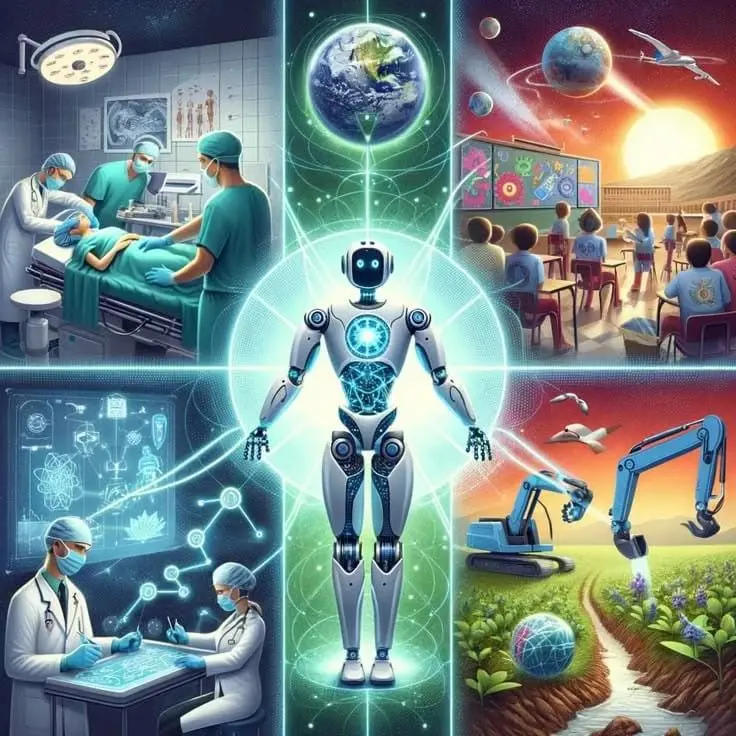
Robotics offers a wide range of benefits across industries and daily life:
- Increased productivity and operational efficiency.
- Improved precision and accuracy in tasks.
- Enhanced safety in hazardous environments.
- Reduced labor costs and human fatigue.
- Advancement in technology and innovation.
- Support for healthcare and rehabilitation.
- Assistance in education and skill development.
- Environmental monitoring and disaster management.
Disadvantages / Risks of Robotics
Despite its advantages, robotics comes with certain risks:
- High initial investment and maintenance costs.
- Job displacement in traditional roles.
- Ethical concerns over AI and autonomous decision-making.
- Security risks due to hacking or cyber attacks.
- Dependency on technology may reduce human skills.
- Technical failures leading to accidents or losses.
- Limited flexibility in unstructured environments.
Common Mistakes to Avoid
When adopting or developing robotics, it’s important to avoid common mistakes:
- Ignoring Safety Protocols: Not implementing safety measures can lead to accidents.
- Underestimating Costs: Initial and maintenance expenses are often higher than expected.
- Overlooking Training Needs: Employees need proper training to work with robots.
- Neglecting Integration: Poor integration with existing systems reduces efficiency.
- Focusing Only on Automation: Ignoring human-robot collaboration limits potential benefits.
- Neglecting Ethics: Ethical considerations in AI and autonomous decision-making are essential.
FAQs About the Future of Robotics
1. What industries will benefit most from robotics?
Industries like healthcare, manufacturing, agriculture, logistics, and education will see the most benefits. Robotics improves efficiency, safety, and innovation across these sectors.
2. Will robots replace human workers completely?
Robots will automate repetitive and hazardous tasks, but human creativity, problem-solving, and decision-making remain irreplaceable. Human-robot collaboration is the future.
3. How does AI enhance robotics?
AI allows robots to learn, adapt, and make intelligent decisions. Machine learning algorithms help robots improve performance over time and handle complex tasks autonomously.
4. Are service robots safe to use at home?
Yes, modern service robots are designed with safety features, sensors, and emergency shut-off mechanisms to ensure safe operation around humans.
5. What is the role of robotics in healthcare?
Robots assist in surgeries, rehabilitation, patient care, and drug dispensing, improving precision, reducing errors, and enhancing patient recovery.
6. How expensive is it to implement robotics?
Costs vary depending on the robot type, complexity, and application. While industrial robots can be costly, service and educational robots are becoming more affordable.
7. Can robotics help solve global challenges?
Yes, robots assist in disaster response, environmental monitoring, space exploration, and agricultural efficiency, addressing critical global issues.
8. What skills are needed to work in robotics?
Skills in programming, electronics, AI, machine learning, mechanical design, and problem-solving are essential for robotics professionals.
Expert Tips & Bonus Points
Conclusion
The future of robotics is both exciting and transformative. [PRIMARY KEYWORD] is set to revolutionize industries, improve human life, and address global challenges in ways we never imagined. With advancements in AI, machine learning, and IoT, robots are becoming smarter, more efficient, and more accessible.
While robotics offers immense benefits, it also brings risks, including job displacement, security concerns, and ethical dilemmas. Businesses and individuals must carefully plan adoption, invest in training, and ensure safety and ethical standards are met.
In the coming years, we can expect robots to become integral parts of our daily lives—from assisting in homes to exploring outer space. The key to maximizing the potential of robotics lies in collaboration, innovation, and responsible development. By embracing this technology thoughtfully, we can create a future where humans and robots work together to solve problems, enhance productivity, and improve quality of life.
The era of robotics is here, and it is shaping a smarter, safer, and more innovative world for everyone


